
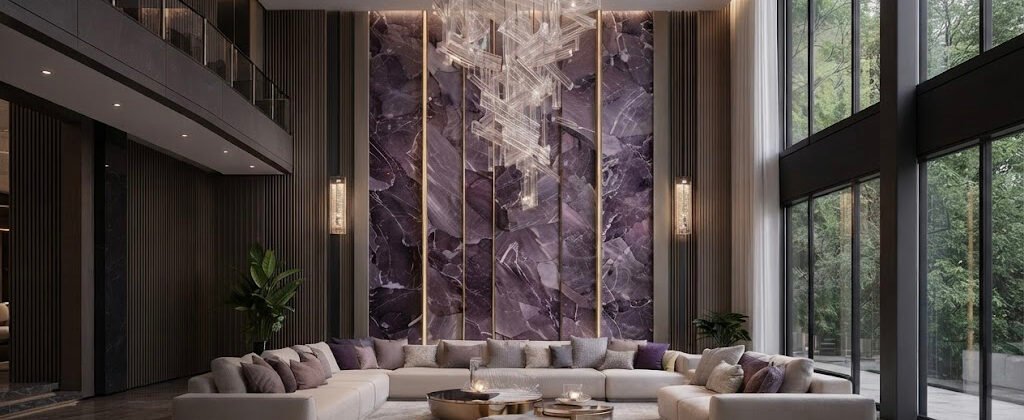
Fusing Emirati Heritage with Contemporary Luxury: A Design Philosophy
Blending Emirati Heritage with Contemporary Luxury Interior Design
Dubai’s luxury homes are becoming more than showcases of modern architecture—they’re increasingly reflecting the rich cultural heritage of the UAE. Today’s homeowners are seeking interiors that combine timeless Emirati traditions with contemporary comfort, creating spaces that feel authentic, elegant, and deeply personal.
By thoughtfully incorporating traditional craftsmanship, regional materials, and cultural design elements, homeowners can create interiors that celebrate heritage while embracing modern living.
The Beauty of Heritage-Inspired Design
Heritage-inspired interiors go beyond decoration. They tell a story through architecture, craftsmanship, and carefully selected materials that have been part of the region’s identity for generations.
Rather than copying traditional designs exactly, modern interiors reinterpret these elements in a clean, sophisticated way that complements contemporary lifestyles.
The Modern Majlis
The majlis has always been an important part of Emirati culture, symbolizing hospitality, family gatherings, and meaningful conversations.
Today’s majlis combines traditional warmth with modern luxury through comfortable seating, elegant lighting, premium fabrics, and open layouts that encourage both relaxation and entertaining.
Mashrabiya Screens with Modern Functionality
Mashrabiya screens remain one of the most recognizable features of Arabic architecture. Originally designed to provide privacy while allowing airflow and natural light, they continue to serve practical purposes in modern homes.
Custom-designed mashrabiya screens can divide living spaces, enhance privacy, and create beautiful lighting effects while adding cultural character to contemporary interiors.
Geometric Patterns and Islamic Art
Islamic geometric patterns offer timeless beauty through symmetry and precision. Instead of overwhelming a space, modern designers often use these patterns as feature walls, flooring details, ceiling designs, or custom furniture accents.
A single well-crafted geometric feature can create a striking focal point without overpowering the overall design.
Arabic Calligraphy as Statement Art
Arabic calligraphy is both an artistic expression and a celebration of language and culture. Large-scale calligraphy artwork creates elegant focal points in living rooms, entrances, dining areas, or offices.
When carefully commissioned, calligraphy transforms a simple wall into a meaningful work of art.
Natural Materials That Reflect Tradition
Wood, natural stone, brass, ceramics, linen, and woven textiles have long been part of Middle Eastern architecture and interior design.
These materials bring warmth, texture, and authenticity while complementing contemporary furniture and minimalist layouts.
Creating Balance Between Tradition and Modern Design
The most successful heritage-inspired interiors avoid excessive decoration. Instead, they balance traditional craftsmanship with clean architectural lines and neutral color palettes.
Using a few carefully selected heritage elements creates greater impact than filling every room with traditional patterns and ornaments.
Applying Heritage Throughout the Home
Entrance
Create a welcoming first impression with carved wood details, geometric flooring, or elegant Arabic calligraphy.
Living Areas
Incorporate mashrabiya screens, luxurious fabrics, natural stone, and statement lighting to create warm and inviting spaces.
Dining Spaces
Blend handcrafted furniture with contemporary lighting and natural finishes for a sophisticated dining experience.
Bedrooms
Introduce heritage through textured fabrics, custom headboards, subtle geometric patterns, and calming neutral colors.
Home Office
Add personality with handcrafted furniture, elegant calligraphy artwork, and premium wood finishes that inspire creativity and focus.
Why Craftsmanship Matters
Authentic heritage design depends on skilled craftsmanship. Custom joinery, handcrafted furniture, precision metalwork, and artisan-made decorative elements create interiors that feel unique and luxurious.
Investing in quality craftsmanship ensures every design detail contributes to the overall character and longevity of the space.
Final Thoughts
Blending Emirati heritage with contemporary luxury creates interiors that feel timeless, meaningful, and uniquely connected to the region’s culture. By combining traditional craftsmanship with modern functionality, homeowners can enjoy elegant spaces that honor the past while embracing the future.
Whether designing a luxury villa, apartment, or commercial property, heritage-inspired interiors provide a distinctive identity that remains beautiful for generations.
Frequently Asked Questions
1. What is Emirati heritage interior design?
It combines traditional Emirati architecture, craftsmanship, cultural elements, and local materials with modern interior design to create timeless luxury spaces.
2. What is a mashrabiya screen?
A mashrabiya is a decorative screen traditionally used for privacy, airflow, and light control, now widely incorporated into modern luxury interiors.
3. How can I add Arabic style without making my home look traditional?
Use a few carefully selected heritage elements such as calligraphy, geometric patterns, natural materials, or custom screens within a clean, contemporary design.
4. Why is Arabic calligraphy popular in luxury interiors?
Arabic calligraphy combines cultural significance with artistic beauty, making it an elegant focal point for modern homes and commercial spaces.
5. Which materials work best for heritage-inspired interiors?
Natural stone, solid wood, brass, handcrafted ceramics, woven textiles, and premium fabrics create authentic and timeless interiors.
6. Can heritage design work in modern villas?
Yes. Modern villas can successfully combine contemporary architecture with traditional Emirati design elements to create elegant, functional, and culturally meaningful living spaces.
