
Transforming spaces for maximum utility
Interior Design Trends in Dubai for 2026: What’s Defining Luxury Living?
Dubai’s luxury homes have entered a new era. While previous years celebrated grand chandeliers, polished marble, and extravagant décor, 2026 is all about creating homes that feel warm, comfortable, and timeless. Homeowners are moving beyond visual impact and focusing on spaces that improve daily living through thoughtful layouts, natural materials, and exceptional craftsmanship.
Whether you’re renovating a villa, refreshing an apartment, or planning a complete turnkey interior fit-out, understanding these emerging trends will help you create a home that remains beautiful for years to come.
The Shift Towards Meaningful Luxury
Luxury is no longer defined by how expensive a room appears. Instead, it is measured by comfort, functionality, quality materials, and carefully considered details. Modern interiors prioritize spaces that feel calm, inviting, and practical while maintaining an elegant aesthetic.
This approach encourages homeowners to invest in timeless architectural elements and premium materials instead of chasing short-lived design trends.
1. Warm Minimalism Takes Centre Stage
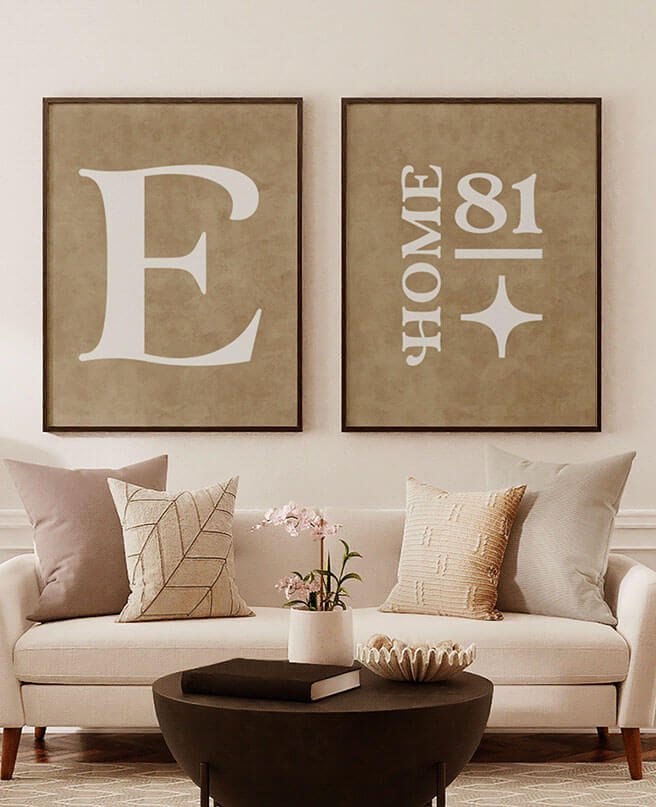
Minimalism continues to dominate interior design, but today’s interpretation feels significantly warmer and more welcoming. Bright white interiors are being replaced with soft neutral colours, natural wood finishes, textured fabrics, and curved furniture that create a relaxed atmosphere.
Materials such as travertine, limestone, oak, linen, bouclé, and natural stone add depth and warmth without overwhelming the space. The result is an elegant interior that feels sophisticated without appearing cold or sterile.
2. Nature Becomes Part of Everyday Living
Biophilic design has evolved far beyond simply placing indoor plants around a room. Modern luxury homes are now designed to strengthen the connection between people and nature through natural light, organic materials, greenery, improved ventilation, and healthier indoor environments.
Large windows, indoor gardens, stone finishes, timber accents, and low-VOC materials help create interiors that promote wellbeing while maintaining a luxurious appearance.
3. Bespoke Furniture Defines Individual Style
Custom-made furniture has become one of the strongest trends among luxury homeowners. Rather than purchasing standard showroom collections, clients are investing in handcrafted furniture designed specifically for their homes and lifestyles.
Bespoke sofas, dining tables, wardrobes, entertainment units, and joinery provide better proportions, improved functionality, and a unique identity that mass-produced furniture simply cannot achieve.
4. Contemporary Interiors with Cultural Identity
Arabic and Emirati design influences continue to grow in popularity, but they are now interpreted through a contemporary lens. Instead of creating traditional-themed rooms, designers incorporate subtle heritage elements that complement modern interiors.
Mashrabiya screens, geometric patterns, handcrafted woodwork, Arabic calligraphy, and regional materials help create interiors that feel authentic while maintaining a refined contemporary character.
5. Smart Homes Become Almost Invisible
Technology is becoming increasingly sophisticated while remaining hidden from view. Lighting, climate control, motorised curtains, security systems, and entertainment solutions are seamlessly integrated into the architecture rather than becoming visible features.
The objective is simple: create a highly intelligent home without sacrificing the elegance of the interior design.
6. Sustainability Shapes Luxury Design
Sustainability is no longer viewed as an optional feature. Homeowners now actively seek responsibly sourced materials that offer better durability, healthier indoor environments, and long-term value.
Certified timber, natural stone, energy-efficient lighting, environmentally responsible finishes, and durable craftsmanship are becoming standard specifications in luxury residential projects throughout Dubai.
7. Flexible Living Spaces
Modern lifestyles require homes that can adapt to changing needs. Rooms are increasingly designed to perform multiple functions, allowing homeowners to maximize every square metre.
Home offices become guest rooms, family areas transform into entertainment spaces, and modular furniture provides greater flexibility for everyday living.
8. Layered Lighting Creates Atmosphere
Instead of relying on a single statement chandelier, designers now combine ambient, accent, decorative, and task lighting to create depth throughout the home.
Warm lighting enhances textures, highlights architectural features, and allows homeowners to adjust the mood of each space throughout the day.
How These Trends Influence Different Rooms
Living Room
Luxury living rooms embrace warm neutral colours, comfortable seating, custom furniture, textured materials, and layered lighting to create welcoming spaces for both relaxation and entertaining.
Kitchen
Modern kitchens feature matte cabinetry, integrated appliances, natural stone countertops, concealed storage, and minimalist detailing that balances beauty with everyday practicality.
Bedroom
Bedrooms focus on comfort through calming colour palettes, custom wardrobes, premium textiles, indirect lighting, and clutter-free layouts that encourage better rest.
Bathroom
Spa-inspired bathrooms continue to grow in popularity, featuring natural stone, freestanding bathtubs, brushed metal fixtures, soft lighting, and wellness-focused design.
Home Office
As remote working remains common, dedicated home offices incorporate natural daylight, acoustic comfort, ergonomic furniture, and intelligent lighting to improve productivity.
Designing for the Future
Rather than following every new trend, homeowners should focus on investing in elements that offer lasting value. High-quality flooring, natural stone, custom joinery, and thoughtful layouts provide a timeless foundation that can easily adapt to changing styles through furniture and décor updates.
This balanced approach creates interiors that remain elegant, functional, and relevant long after current design trends evolve.
Conclusion
Interior design trends in Dubai for 2026 represent a clear movement toward timeless luxury, sustainable living, personalized spaces, and thoughtful craftsmanship. Today’s luxury homes prioritize comfort, authenticity, and functionality without compromising elegance. Whether designing a new villa or renovating an existing property, these principles provide a strong foundation for creating beautiful interiors that stand the test of time.
Frequently Asked Questions
What are the biggest interior design trends in Dubai for 2026?
Warm minimalism, biophilic design, bespoke furniture, sustainable materials, hidden smart home technology, layered lighting, and flexible living spaces are among the leading trends shaping luxury interiors.
Why is warm minimalism becoming so popular?
Warm minimalism combines clean architectural lines with natural materials, soft colours, and comfortable furnishings, creating interiors that feel elegant while remaining welcoming and practical.
Is custom furniture worth the investment?
Yes. Bespoke furniture offers superior quality, maximizes available space, matches your home’s proportions perfectly, and creates a truly unique interior.
How does sustainability improve luxury interior design?
Sustainable materials often provide better durability, healthier indoor environments, improved energy efficiency, and greater long-term value while reducing environmental impact.
Which interior design trends will remain timeless?
Natural materials, warm neutral colour palettes, custom craftsmanship, layered lighting, thoughtful layouts, and biophilic design principles are expected to remain relevant well beyond 2026.
