
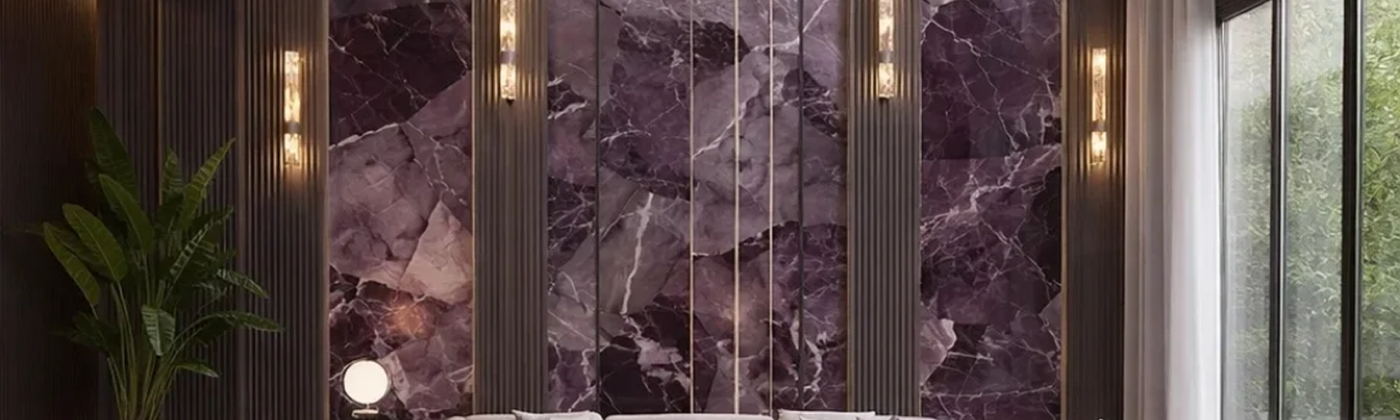
Penthouse and High Rise Apartment Interior Design in Dubai: Designing Around the View
Anyone who has stood in a high floor apartment in Dubai at sunset knows the feeling. The skyline glows, the glass glows, and for a moment the room barely matters. Then you stay for an hour. The sun moves, the glare reaches the sofa, the neighbouring tower looks straight back at you, and the beautiful view starts to feel like something the room has to put up with.
So how do you design a penthouse or high rise apartment in Dubai? You start with the view and design everything else to serve it. That means understanding how light and heat move through the space, protecting your privacy without closing off the glass, choosing furniture that suits the scale of the room without blocking the outlook, and framing the view so that it feels composed instead of accidental. Lighting then has to work in the evening, when the glass turns from a window into a mirror.
A great view can make a room feel like a postcard, or it can make it feel like a glass box. The difference lies almost entirely in the design choices. This guide goes through each of them, from the way the sun reaches the room to the way the room looks after dark, so that you can plan your home or brief a designer with confidence.
Start by Studying the View at Every Hour of the Day
Before choosing a single colour or sofa, spend time in the space. A view is not one picture. It changes with the hour, the season and the weather, and the design should respond to all of it.
Begin with the direction the windows face. A room that looks west receives strong afternoon and evening sun, which gives spectacular colour at sunset and also considerable heat and glare. A room facing east gets gentler morning light. North facing rooms receive steadier light with less heat. Knowing this early tells you where to place seating, where a desk can work without screen glare, and which windows need the most careful treatment.
Next, look at what you actually see. Almost no apartment has an equally beautiful view in every direction. One side might show the sea, another the skyline and another a neighbouring building or a car park. The best designs decide what to celebrate and what to quietly soften. The main living area should usually face the strongest view, while bedrooms, bathrooms and kitchens can be arranged to make good use of the others. Where an outlook is less attractive, sheer curtains, a screen, plants on a terrace or a well placed piece of furniture can soften it without losing the light.
Look at the distance as well. A view across the sea or the desert has a calm, open quality that suits a quiet, restrained interior. A close view of other towers is busier, and may need a more textured room to balance it.
Finally, visit at different times. A viewing at midday can look very different from the same room at six in the evening, and a room that feels cool on a winter morning may feel hot in the summer afternoon. If you can, spend time in the space in the morning, the afternoon and after dark before you finalise anything. Designers do this as a matter of habit, because decisions about glass, light and heat are much easier to get right once you have seen the problem for yourself.
Taming Glare and Heat Without Losing the View
Floor to ceiling glass is one of the great pleasures of high rise living in Dubai, and also one of its great challenges. Strong sun brings glare, heat and fading, and a design that ignores these will leave you closing the curtains all day, which defeats the purpose of the view.
The most effective approach uses layers. A sheer curtain softens the light and cuts glare while keeping the outlook visible. A heavier curtain or blind behind it can be drawn for full shade or for sleeping. Motorised systems make this far easier to live with, because you can adjust the room throughout the day with a button instead of walking across it. Many people find that a sheer layer in the daytime and a heavier layer at night works better than any single treatment.
Solar control film applied to the glass can also reduce heat and glare, and some films reduce the amount of ultraviolet light reaching the room. However, buildings often have rules about what can be applied to the glass, since changes can alter the appearance of the outside of the tower, so check with the building management before you plan anything. A designer who knows the building can tell you what has been approved before.
Think about what the sun will do to your belongings. Strong light fades fabrics, rugs, timber floors and artwork over time. A sofa in direct afternoon sun every day may look wonderful when the apartment is new, but within a year or two the colour can change unevenly. Fade resistant fabrics, protective film and thoughtful placement of valuable pieces all help. It also makes sense to keep original artwork away from the sunniest walls.
Furniture placement can solve glare too. A desk positioned side on to the window avoids both reflected glare on a screen and a bright window behind you on video calls. A television works better on a wall at a right angle to the glass than directly opposite it. These small decisions make a room more comfortable on an ordinary Tuesday than any decorative choice could.
Heat is felt as well as seen. Seating very close to large glass can feel warm in the afternoon even with the air conditioning running, so it is worth testing a spot at the hottest time of day before you decide to place a favourite armchair there.
Privacy in the Sky
Privacy is the quiet worry of high rise living. From the street, nobody can see into a thirtieth floor apartment, but another tower across the way might look straight into your living room, and a large pane of glass offers no protection at all.
The answer is rarely to cover the glass completely. It is to decide, room by room, how much you need. In a living room, you may be comfortable with an open view in the daytime and a layer of sheer fabric in the evening, when the lights come on and the room becomes visible from outside. In a bedroom, the balance is different, and a layered treatment that can be fully closed gives you both privacy and a darker room for sleep. Bathrooms with glass often need a frosted section, a screen or a blind that can be lowered when needed.
Furniture can create privacy without any fabric at all. A tall bookcase, a low screen, a group of large plants or a console placed away from the wall can break the line of sight from a neighbouring window and still let light through. On a terrace, planting, slatted screens or glass with a frosted band can create a more sheltered place to sit while keeping the view of the horizon.
Penthouses have their own version of this. A private terrace feels like a luxury until you notice it is visible from the towers around it. Designing the layout so that the most private seating sits where it is least overlooked, and the more open areas are kept for entertaining, helps the terrace work throughout the year.
Also consider how the home looks from outside at night. Lit rooms show everything, so the layers of curtains and the positions of furniture matter as much in the evening as they do in the day.
Furniture Scale: Too Small Looks Lost, Too Large Blocks the View
Scale is where many beautiful apartments quietly go wrong. Large windows, tall ceilings and long views make furniture look smaller than it really is, so pieces that seem generous in a showroom can look lost in a high rise living room. But the opposite mistake is just as common. A very large sofa with a high back placed in front of the window turns the view into something you look over, and it blocks the light the room was designed to receive.
The solution is to choose pieces with the right weight, not just the right size. Low seating keeps the view open and lets the eye travel to the horizon. A sofa with a lower back, a pair of armchairs on slim legs, or a long console below the windows allows the room to feel generous without crowding the glass. In rooms with a double height ceiling, which some penthouses have, you can add vertical drama with tall artwork, a statement chandelier or a bookcase that climbs the wall, so that the upper part of the room feels as considered as the lower part.
Rugs do a great deal of work in big, open rooms. A large rug anchors a seating area, defines the space in an open plan layout and softens the sound of a room with hard floors and a lot of glass. If a rug is too small, the furniture looks as though it is floating on its own. A generous one makes the group feel connected.
Orientation matters too. Some people arrange all the seating to face the view, which works well for one person at a time but makes conversation awkward. A better approach is often to arrange the main seating in a loose group at an angle to the window, so that people can talk comfortably and still enjoy the outlook. In large rooms, a second smaller seating area closer to the glass can serve as a quiet reading spot.
Remember that glass walls leave little room for art and storage. The solid walls are where artwork, shelving, the television and hidden storage will go, so they deserve more thought than they would in a home with more wall space.
Framing the View and Lighting the Night
A view looks best when the room around it is calm. The easiest way to frame it is to treat each large window like a painting. The curtains, the furniture and the colours on either side should lead the eye toward the glass, not compete with it.
A restrained palette is often the most effective choice. Soft neutrals, natural stone, warm timber and a few carefully chosen accents let the skyline or the sea supply the colour. Bold patterns near the windows, heavy decoration and too many objects on the sills can pull attention away from the view. Curtains that stack to the sides, instead of covering the glass when open, keep the whole window visible. A mirror on a side wall can bring more light and a little of the view into the room, though a mirror directly opposite a window can create reflections that distract.
Lighting is the part people forget, and in a high rise it matters more than almost anywhere else. After sunset, large windows turn into dark mirrors. If the room is lit by a single bright ceiling light, the glass will reflect it back like a black screen, and the view you chose the apartment for disappears. A better approach is to use several layers of low, warm light. Table lamps, floor lamps, wall lights and soft light hidden along shelves or the edges of the ceiling create pools of light at different heights, which reduces reflection and lets the city lights show through. Dimmers allow you to change the mood throughout the evening.
Keep the brightest light away from the window wall, and make sure lamps near the glass have shades that hide the bulb. Consider the lights outside as well. The glow of the city at night is part of the view, and a room lit gently enough lets it become part of the decoration.
The same thinking applies to the terrace. A few well placed lights at low level, in a warm tone, make a terrace feel like another room, and keep the evening view free from glare.
Practical Rules, Materials and Choosing the Right Designer
Beautiful ideas still have to work within the building, so check the practical rules before you fall in love with a plan.
Many towers have guidelines on what can be changed. Rules may cover curtains and blinds that are visible from outside, film on glass, balcony furniture, flooring, work in wet areas and the hours when contractors may work. Larger changes, such as moving walls or altering plumbing and air conditioning, usually need approval from the building management or the developer. Ask for these rules early, and plan the schedule so that approvals do not hold up the work.
Wind is a factor on high balconies and terraces. Lightweight furniture, loose cushions and small pots can be blown around at height, so choose heavier pieces, secure what you can and use fabrics that handle sun and humidity. Materials in general need to cope with strong light, dust and constant air conditioning, so ask any designer or supplier how they behave over time, not just how they look when new.
Hard floors and glass can make rooms echo. Rugs, curtains, upholstered furniture and wall panels soften sound, and they are worth planning from the start in large open rooms.
When you choose a designer, look for someone who asks about the building and the view before talking about style. Ask how they will handle glare and privacy, whether they have worked in towers like yours, how they coordinate approvals and who manages the work on site. Look at finished homes, not only images of concepts.
Worood Interiors designs luxury interiors for high end projects in Dubai. If you are planning a new apartment or a penthouse, or reworking one you already own, share your floor plan and tell us what you see from your windows. We would start by studying the light and the outlook, then shape a design that makes the most of every hour of the day.
